A Weekend in Palouse
There is a moment, somewhere past the last gas station, when the road stops being a road and becomes something closer to a horizon line and you realize the hills have been watching you arrive for miles before you noticed them. The Palouse doesn't announce itself. It accumulates. One rise gives way to another, wheat gives way to fallow ground and back again, and the sky gets so wide it starts to feel less like weather and more like witness.
I brought two cameras for the trip: a digital body for the moments that needed speed, and a film camera for the ones that asked to be slowed down. Neither told the whole truth by itself. Together they got closer. Because the Palouse isn't really a landscape you photograph so much as one you negotiate with. It asks you to decide, frame by frame, whether you're chasing the light or simply standing still long enough to let it find you.
Every road trip has its waypoints, and ours started with something that had nothing to do with the fields of gold at all: two battered Coca-Cola branded vending machines huddled under an overhang at a rest area. Civilization's last outpost before the hills take over.
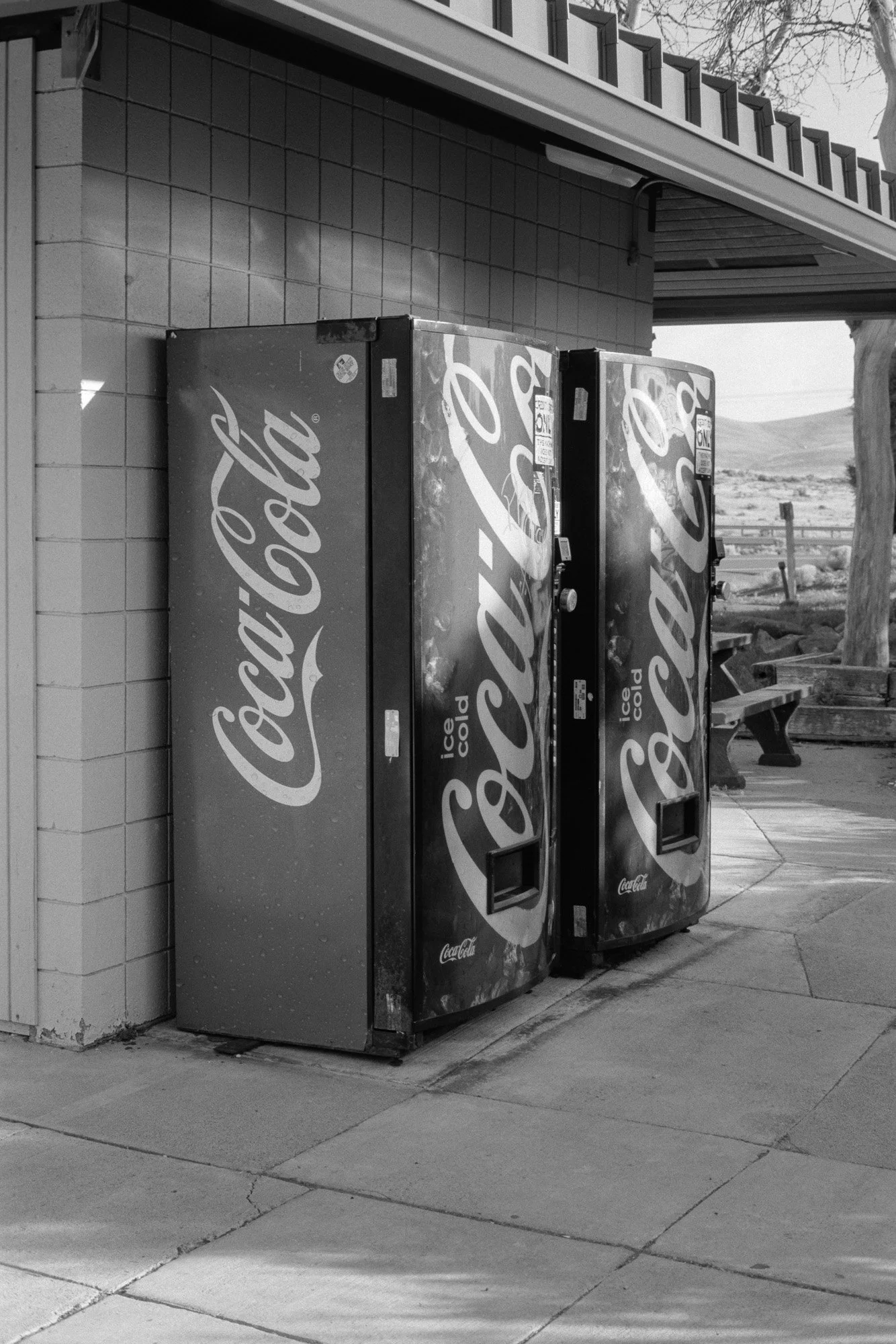
Kodak TMax 100, Leica M6
The Palouse is dotted with old grain elevators, most of them long since retired, and we found one that had clearly lost its fight with gravity: leaning hard, its wooden siding buckled and half-collapsed into the grass.
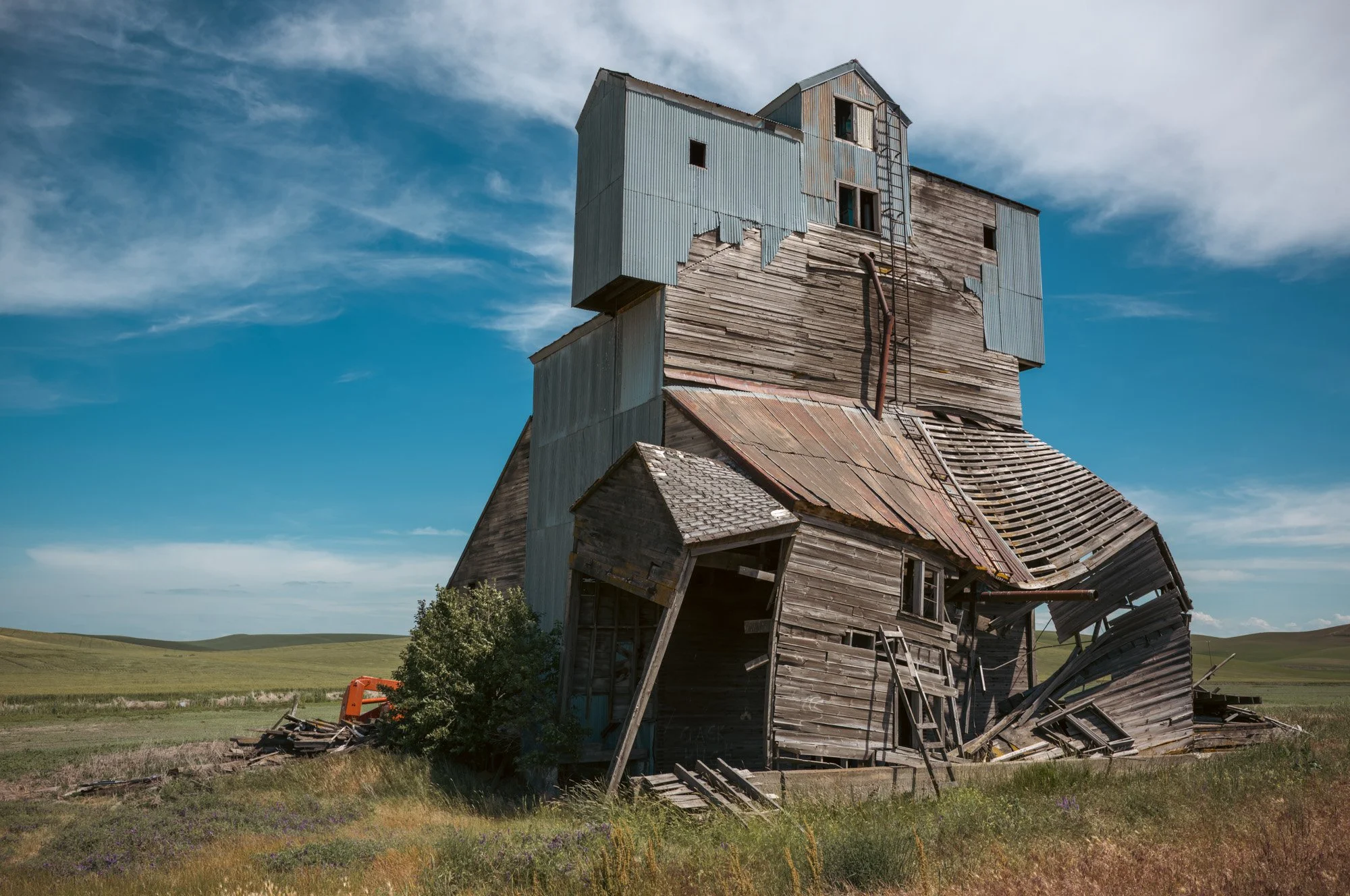
Leica M EV1
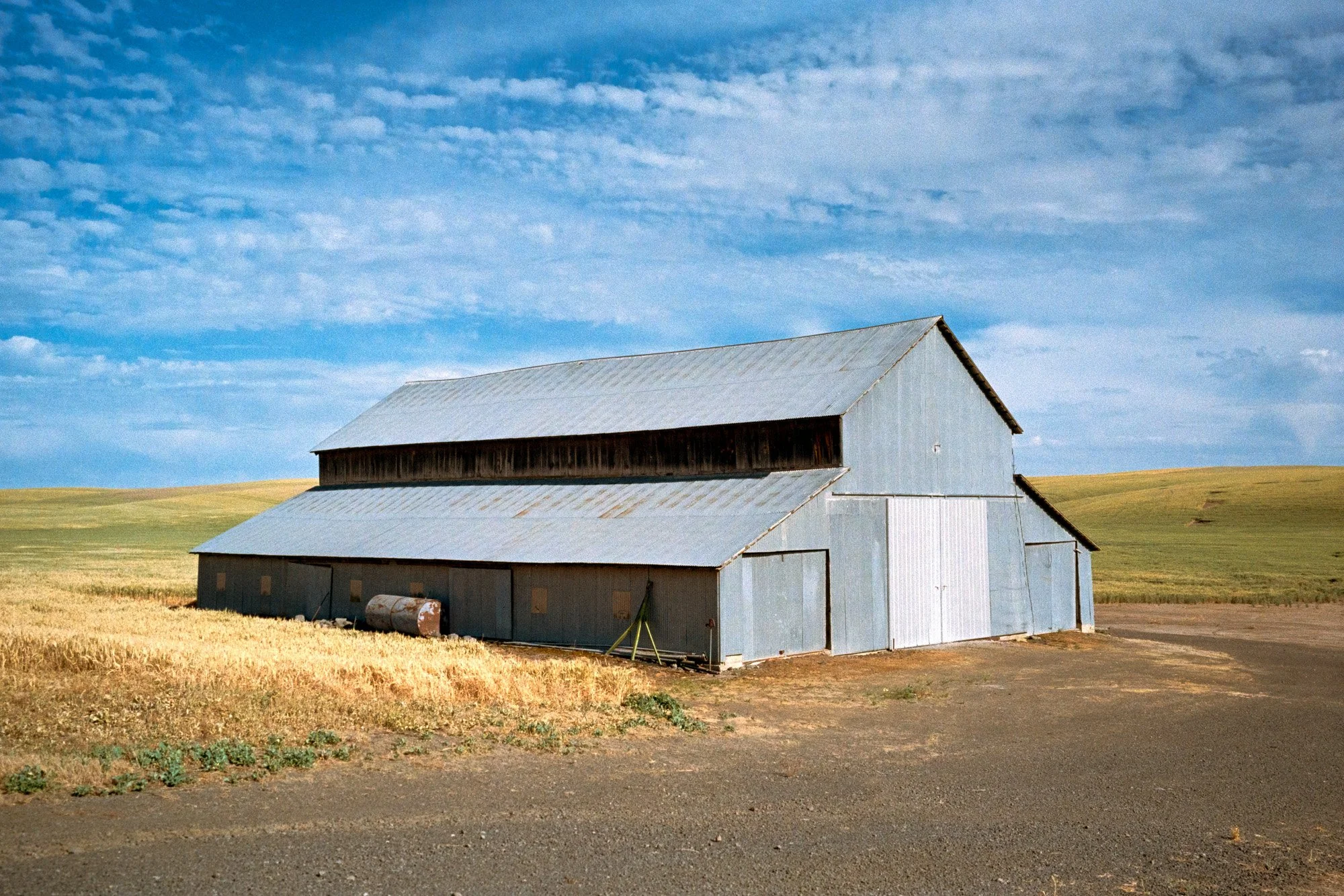
Kodak Gold 200, Leica M6
Most of the trip, though, was just the land. Hay bales scattered down a mowed slope, casting short shadows in the midday sun.
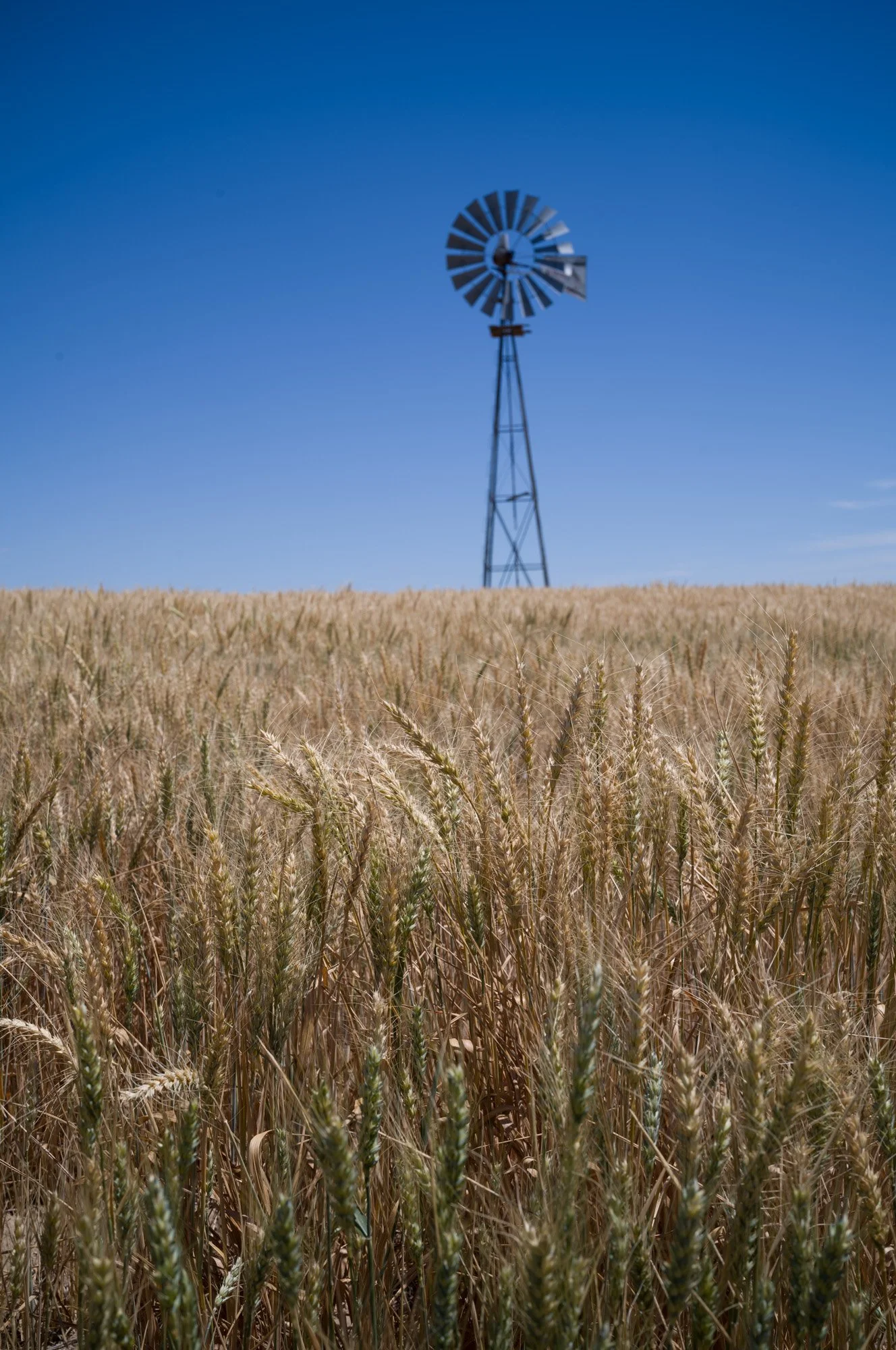
Leica M EV1
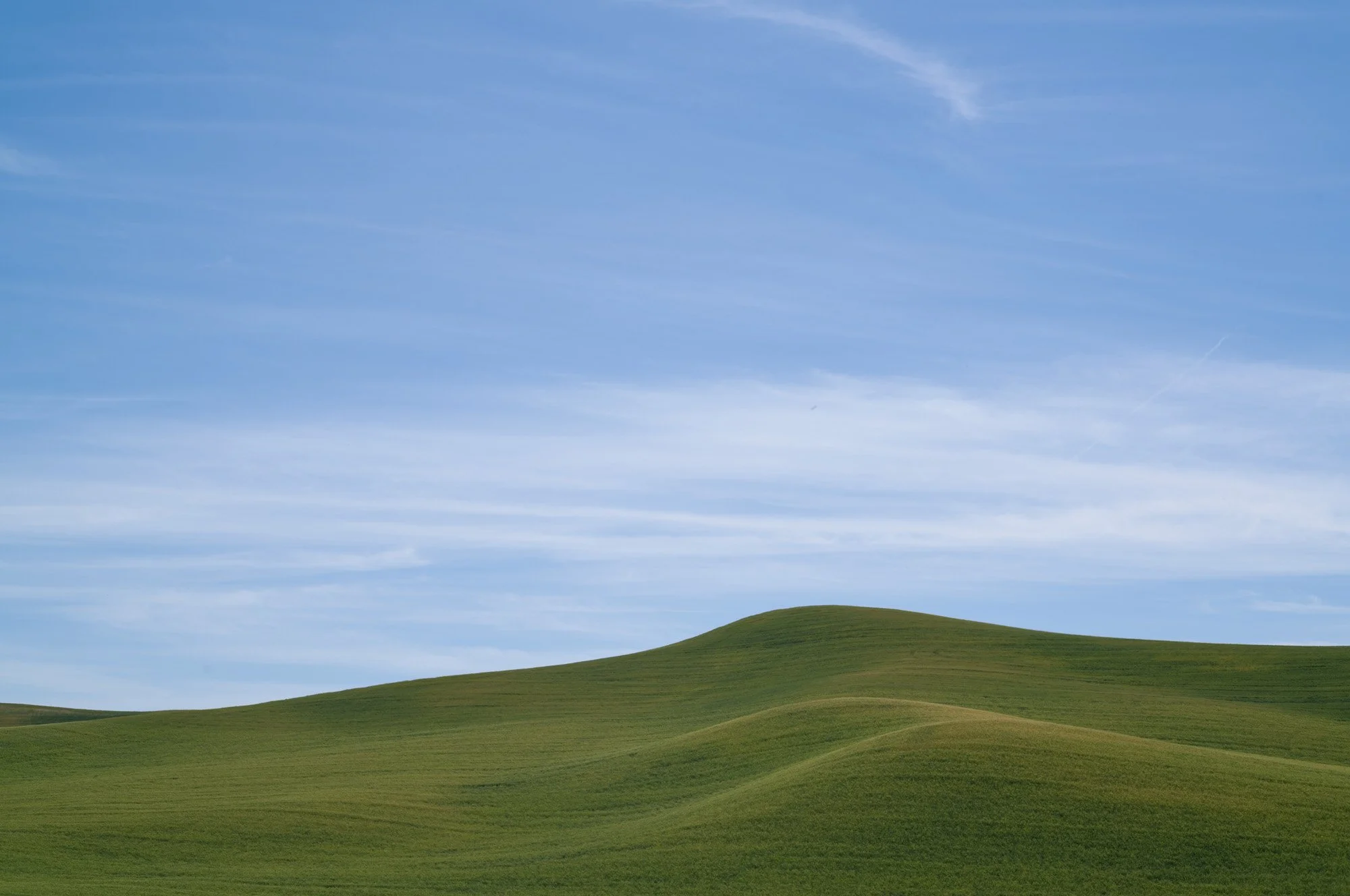
Leica M EV1
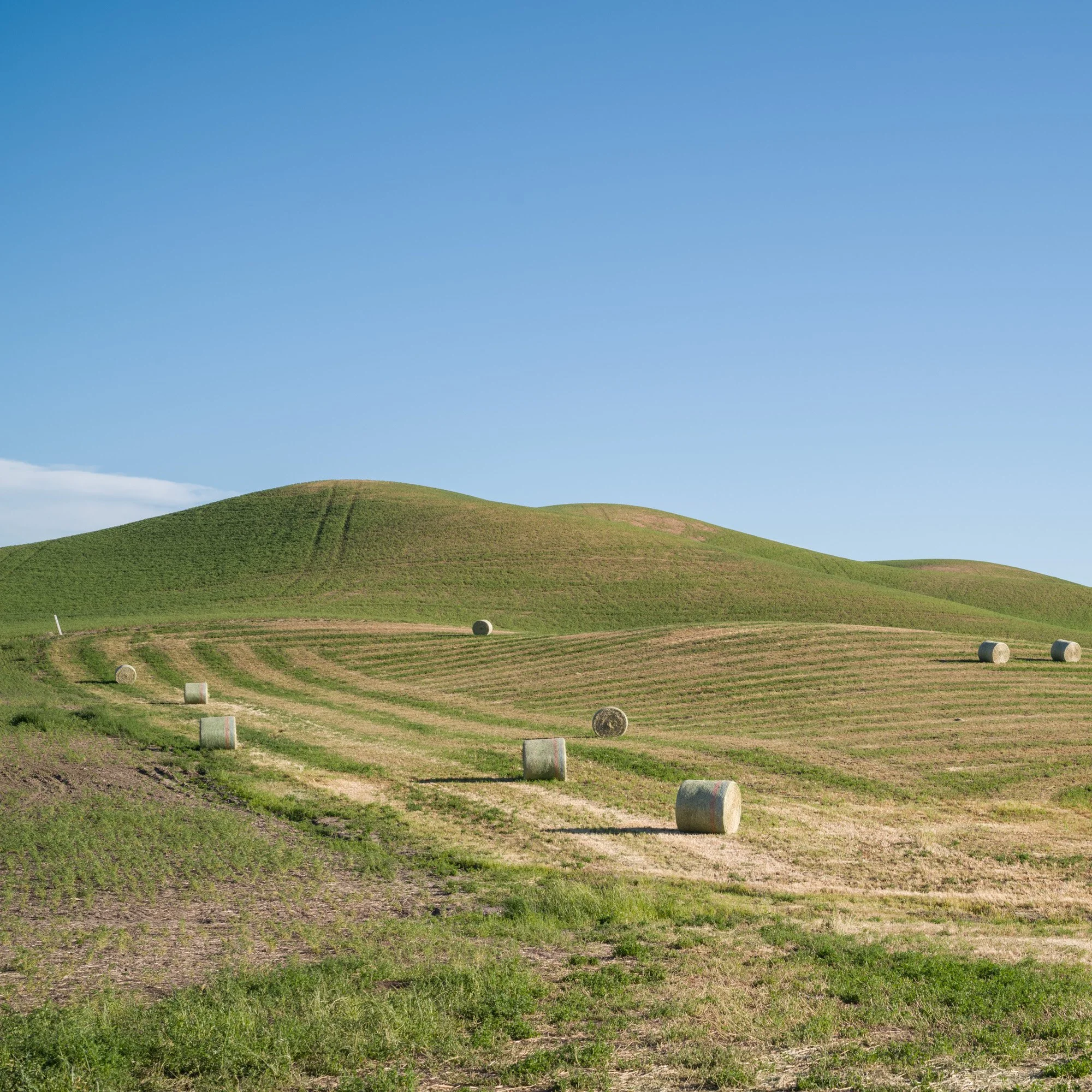
Leica M EV1
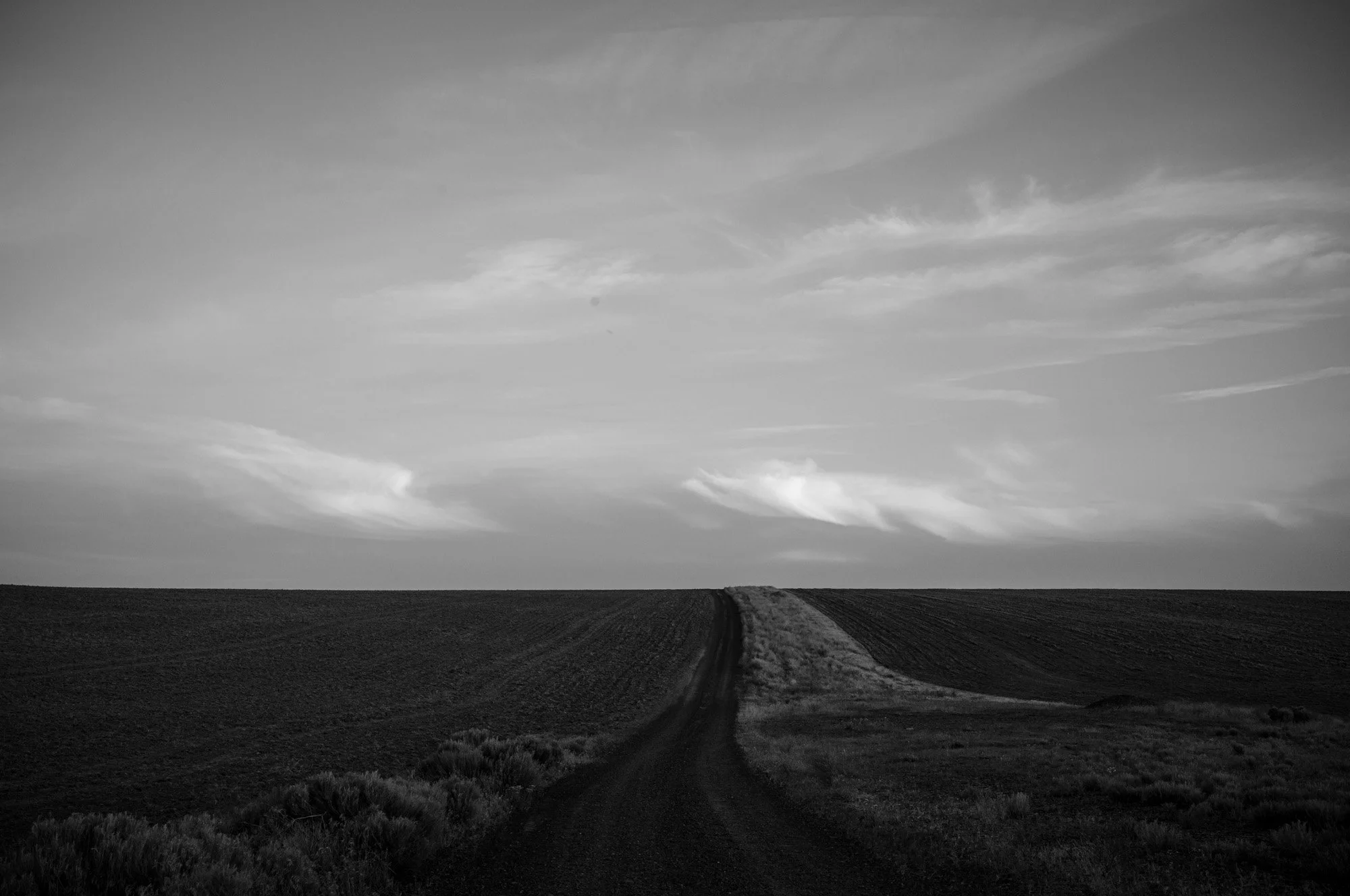
Leica M EV1
The Palouse rewards patience most at the ends of the day. One evening we found ourselves at the summit of a butte just as the sun dropped toward the wheat, and a fellow photographer was already there, tripod planted, waiting for the same shot everyone waits for out here. The canola field glowing acid-yellow in the foreground almost looks unreal, but it wasn't.
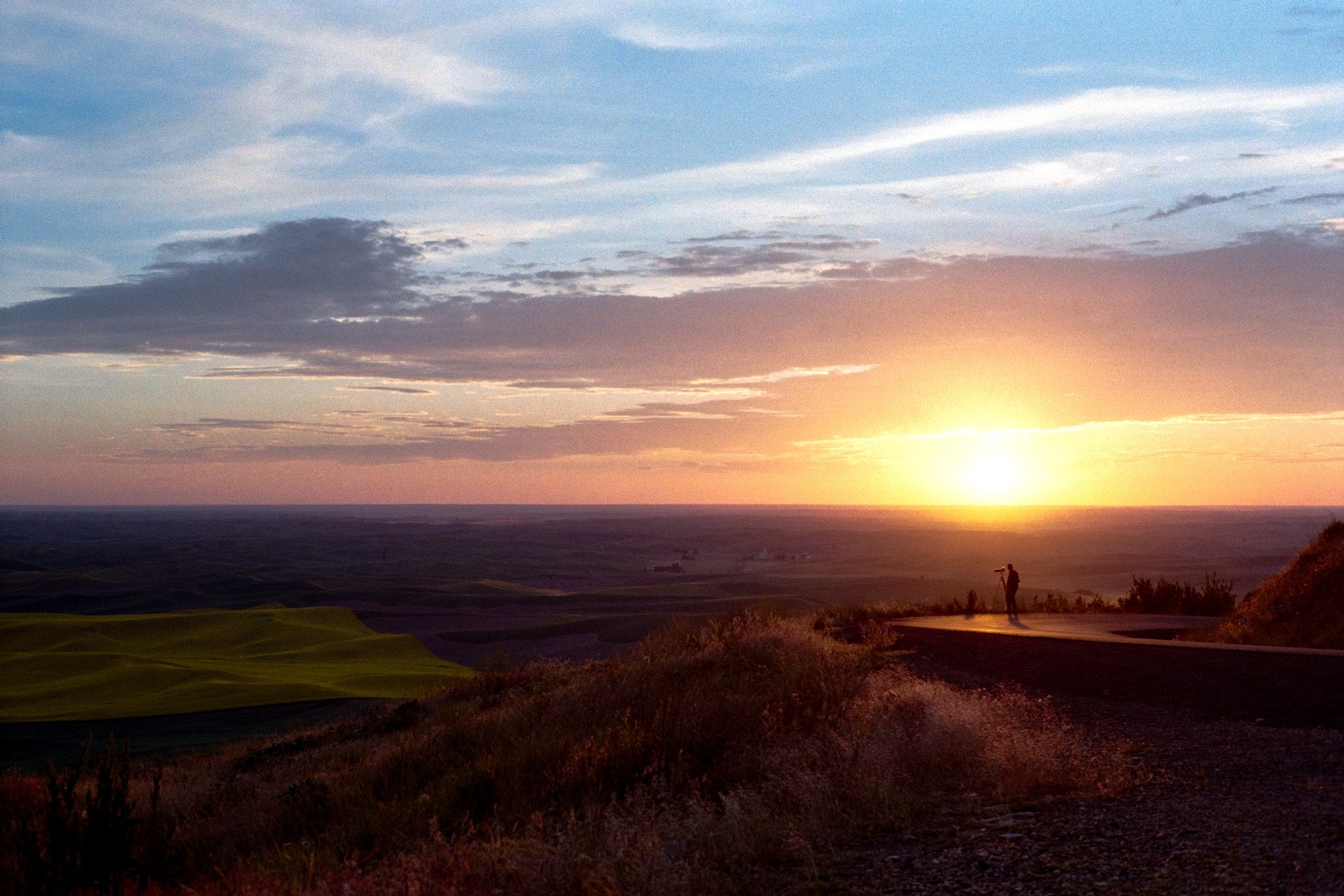
Kodak Gold 200, Leica M6