For a world less square [from XPAN brochure]
Far from home
I don’t know many people who would drive four hours for a sunset but there are creatures like me - they exist!
32 sec at f/16, ISO 100 Hasselblad XCD 4/45P
32 sec at f/22, ISO 100 Hasselblad XCD 4/45P
Another weekend, another place to shoot at sunset.
Tacoma - half day
The weather changed from clear sunny skies to rolling storm clouds in just an hour, providing me excellent opportunities to shoot in varied lighting and other variance while I learn to shoot with my (new) medium format camera. When you’re shooting with the (Hasselblad) X1DII 50c, autofocus (AF) is not your friend. There are two ways to operate or get help with manual focus (MF): focus peaking and zoom. In my experience, I found focus peaking to be very unreliable, or perhaps I was using it wrong. The earlier part of the day while using focus peaking, most of my shots turned out soft but I got lucky with a handful.
1/350 sec at f/6.8, ISO 200
1/180 sec at f/4, ISO 800
Later in the day, I started using magnify focus method and got lot more reliable result. The camera being on the tripod (for long exposures) made it easy to use this MF method.
2 sec at f/22, ISO 100
32 sec at f/11, ISO 100
All in all, I am very happy to be shooting in medium format: the large sensor and large pixels makes a difference added Hasselblad color science and DR. I am not going to express myself on how much I love the physical design of this camera, and keeping that aside the features I love the most about this new system based on a very short period of playing with it are:
In-lens shutter system eliminating vibrations especially for those extremely long exposures
Appealing and somewhat acceptable noise grain at high ISO, keeping aside the fact that you’re getting less noise than FF cameras. Say goodbye to destructive noise reduction steps in post-processing tools like LR
Superb color reproduction and sharpness
Greater dynamic range, even better than (long time king) Sony FF cameras I own
Weather sealed - I have not taken the camera out in the rain but when you are living in the PNW chances are you will, very soon
4:3
After years of shooting in Full Frame, started a new chapter with Medium Format. Of the twenty something photographs I shot today, here are my favorites.
1/90 sec at f/4, ISO 800 (XCD 4/45P)
11 sec at f/11, ISO 100 (XCD 4/45P)
And now a few obligatory photos of the new gear…


Birds of sunset
Gulls on a beach at sunset
1/250 sec at f/4.5, ISO 400
Steel and concrete
Spotlight
In the scene I could barely notice the column of sunlight illuminating Maylor Pt. across the bay. As I hurried my way out from a late lunch/early dinner to the wharf looking for signs of sunset, this scene caught my eye…
1/160 sec at f/6.3, ISO 200
Basic editing workflow
Regardless of whether you call yourself a photographer or not, I am sure you have come across the age old question:
Did you edit this photo?
Now there are different ways to interpret this question. If I were to not take offense from the question, I’d assume it meant to be a compliment, asserting the end result is pretty regardless of whether it is far twisted and manipulated from reality, the actual scene. It could mean the person who asked is trying to critique your photograph or your skills to record imagery out of the camera in contrast or comparison to manipulations in post, or could mean the person is simply trying to understand how far from reality the end result is - assuming reality being what you got straight out of the camera.
If you are not shooting RAW, the image you are getting out of the camera is most likely a JPEG file. This is already “manipulated” by the camera. If you are shooting RAW then it is up to the photographer to export the image into a format such as JPEG that is shareable. This means whether you like it or not, the photograph is “manipulated” in one way or another therefore, the question we came across earlier in this post is vague. Educated, alternative questions could be:
Did you edit this photo or let the camera do it?
How different was the actual scene compared to this photo?
The photographs that come out of my camera are primarily RAW files, i.e. I try to capture as much data as I can while shooting, then manipulate in post processing to produce images that are visually pleasing to me. RAW images do not look anywhere close to how the real scene looked at the time of shooting and therefore, my primary goal is to “fix” attributes such as white balance, brightness and color in post to get the end result as close as possible. But this does not mean it has to be always realistic.
Now that we have established the purpose and importance of recognizing post processing in photography, let me introduce you to my basic workflow: I use Photoshop mainly for three things: perspective correction, color grading and (most important of all) selective editing. Sometimes the perspective corrected version does not look as appealing as the straight-out-of-camera original with rectilinear distortion (therefore I abandoned this edit), this actually means I am going to preserve the “distorted” original for this particular photograph, not attempt to make it look like how the eyes perceived…
Reality is merely another version created by the human brain
Shades of summer
The shadows grew tall when the sun raced towards the near west horizon on this beautiful late summer evening in the mountains.
The green glow in the sky
Not that long ago, I did not own an insulated jacket. Instead, I’d put on layers and then a rain coat before venturing out in the night during winter photoshoots. These photographs come from one of those trips., a rather family/personal trip where the main focus was to get away for a few days and drink every night till you’re stupid.

I was not expecting Northern Lights that night - it was the day we traveled into Iceland but we were not jet lagged probably due to high levels of adrenaline (and the anticipation of a weekend vacation ahead). We went out of the city only because it was the only night we did not have any other activity planned. It turned out to be one of the best nights to watch the green glow over us - considering winter weather and driving conditions at the time of the year.
Hurricane Ridge
The Hurricane Ridge standing tall above Kingston
500mm 1/500 sec f/6.7 ISO 250
2022: Day One
Western Washington is still clad in ice and snow remnants from two winter storms since Christmas of 2021. There is no ice on the beach but the way to it had plenty, rendering the travel to the beach somewhat inconvenient if not difficult and dangerous.
In terms of golden hour quality, an hour before sunset the scene looked promising but soon clouds moved in. Regardless, it was a memorable dusk: As the tide receded I walked farther towards the waterline with the camera on the tripod, taking 1/2-2 seconds exposure shots, occasionally retreating for a rogue wave. The sky turned pink for a bit, the clouds however remained unlit. I was more fascinated by the retreating bubbles on small waves that were consistent with the wind blowing north.
Winter overcast illuminated by city lights
Generally speaking winter sunsets in the Pacific Northwest are not dramatic especially if compared with the sunsets over the Great Plains or in the tropics. But sometimes we have to make the best of the given conditions and lighting available to photograph at dusk or dawn.
This was such an evening, it was right after the first snow storm of December, 2021. We had approximately a day of dry weather when we decided we should go check out the coast, see if we are fortunate to see a beautiful sunset. The weather however was not very cooperative but distant cities (possibly Blaine and Vancouver) lit up the frozen winter clouds over the horizon just the right amount to colorize the backdrop and foreground, allowing me to capture these images.
This is probably the final blog post of 2021, I wish you a very happy and better 2022.
2021 Independence Day Fireworks
July 4th, 2021 fireworks in Edmonds, Washington: Shot handheld with an iPhone
End of spring
Second spring amidst a global pandemic but with less unknowns and variables compared to the last one, pushed me to revisit places I’ve not seen for a long time, places that would have otherwise been on the B list.
Here’s to the end of spring, brace yourself for long and warm days ahead.
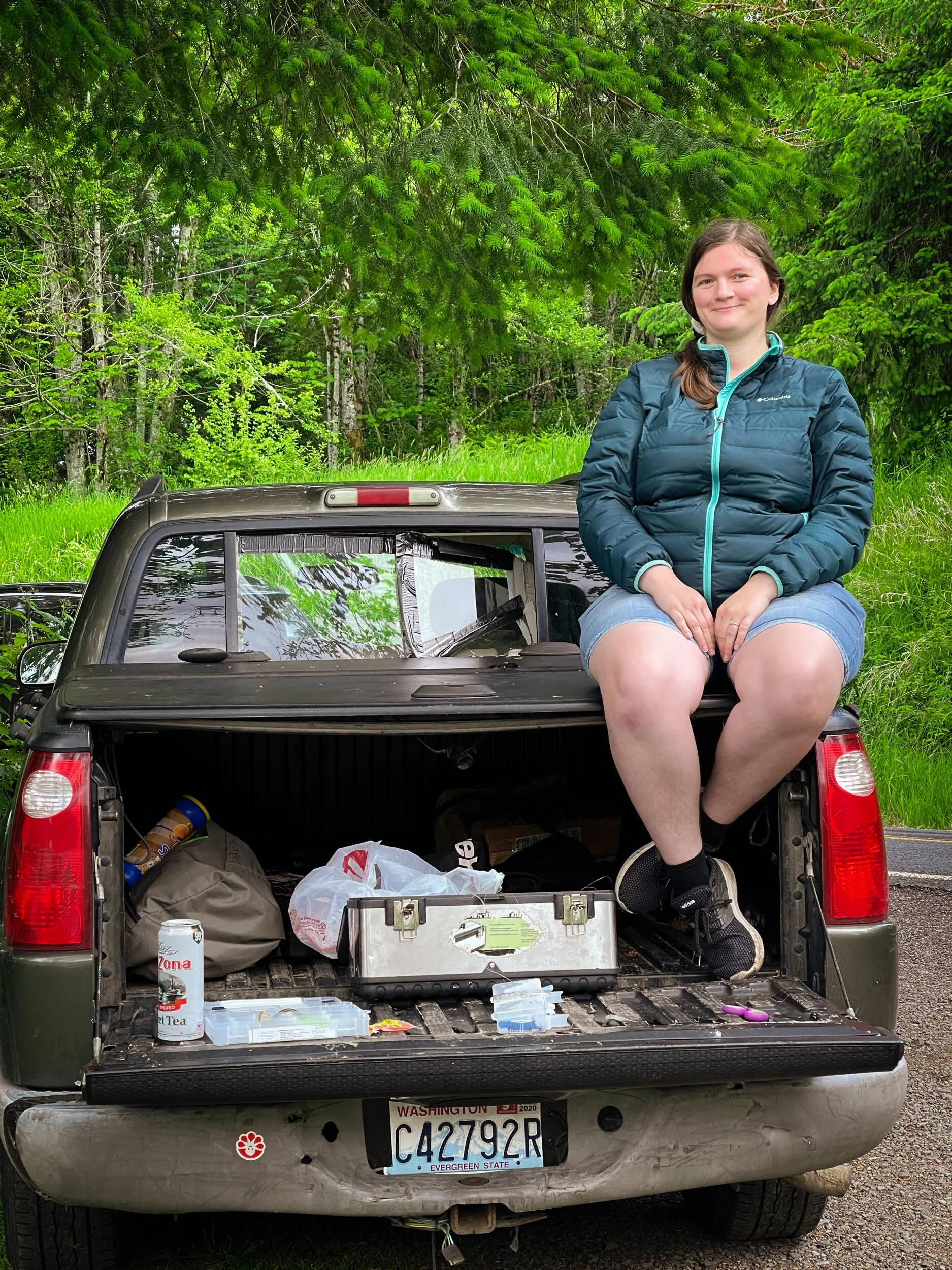
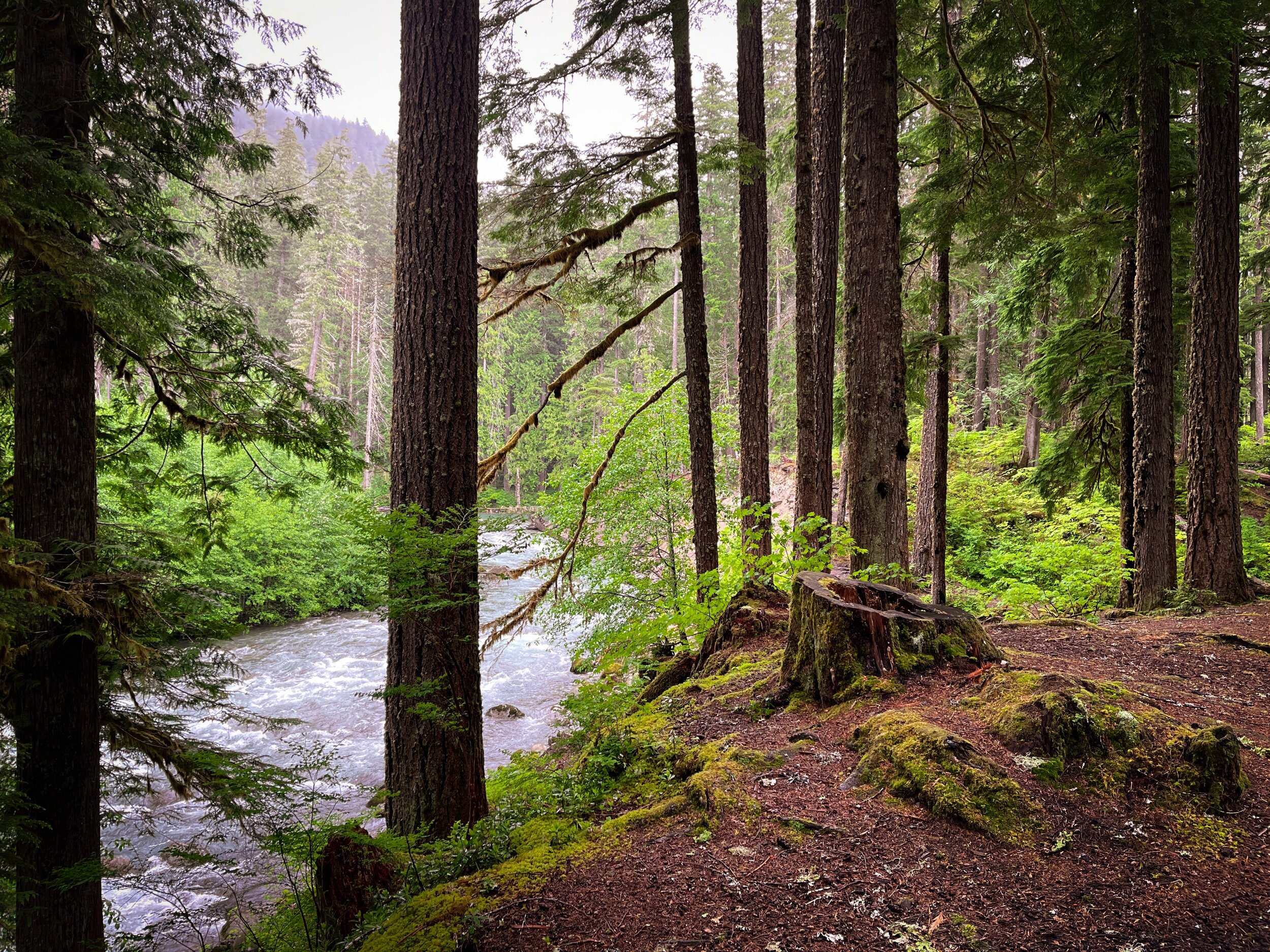
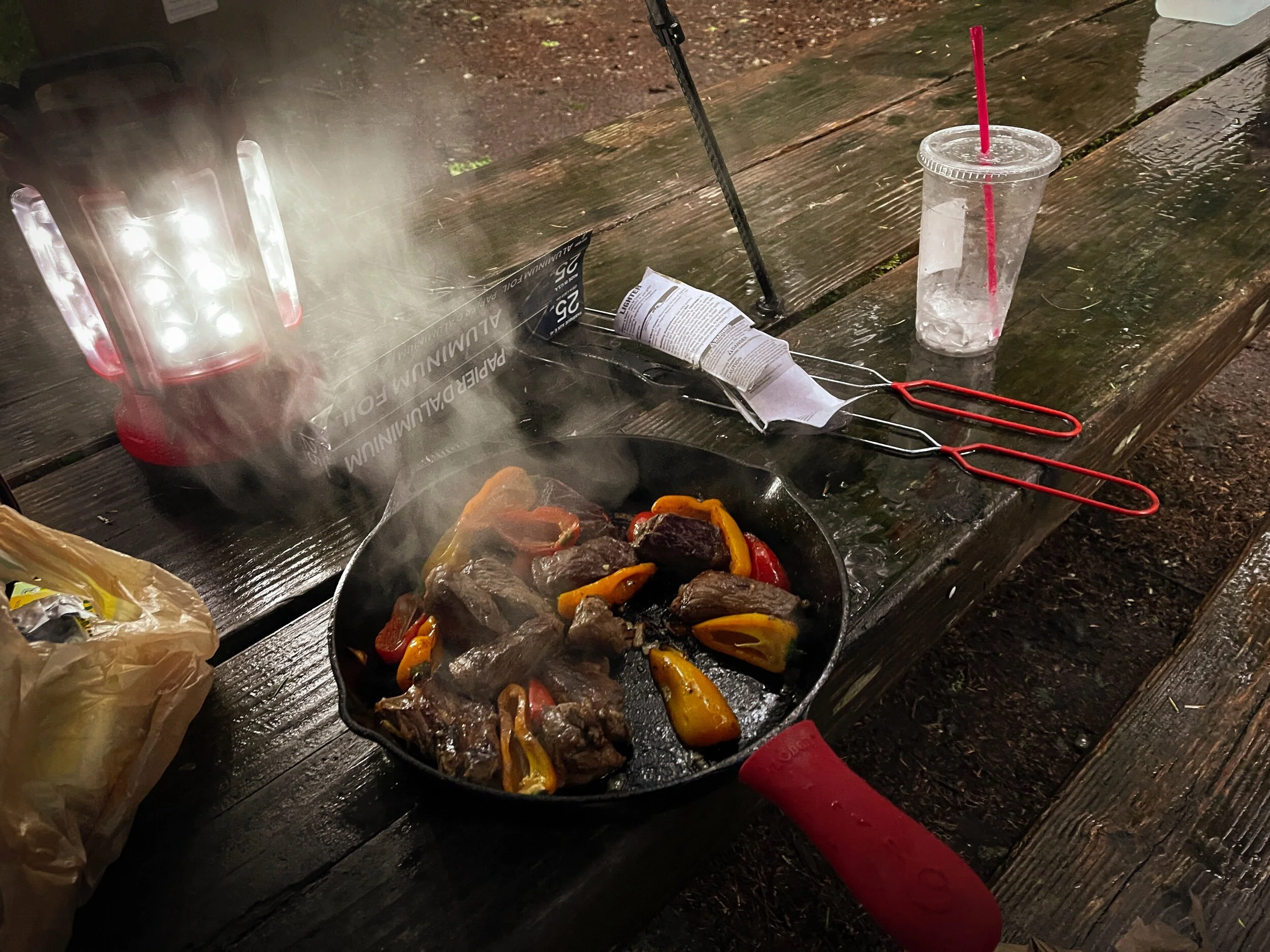
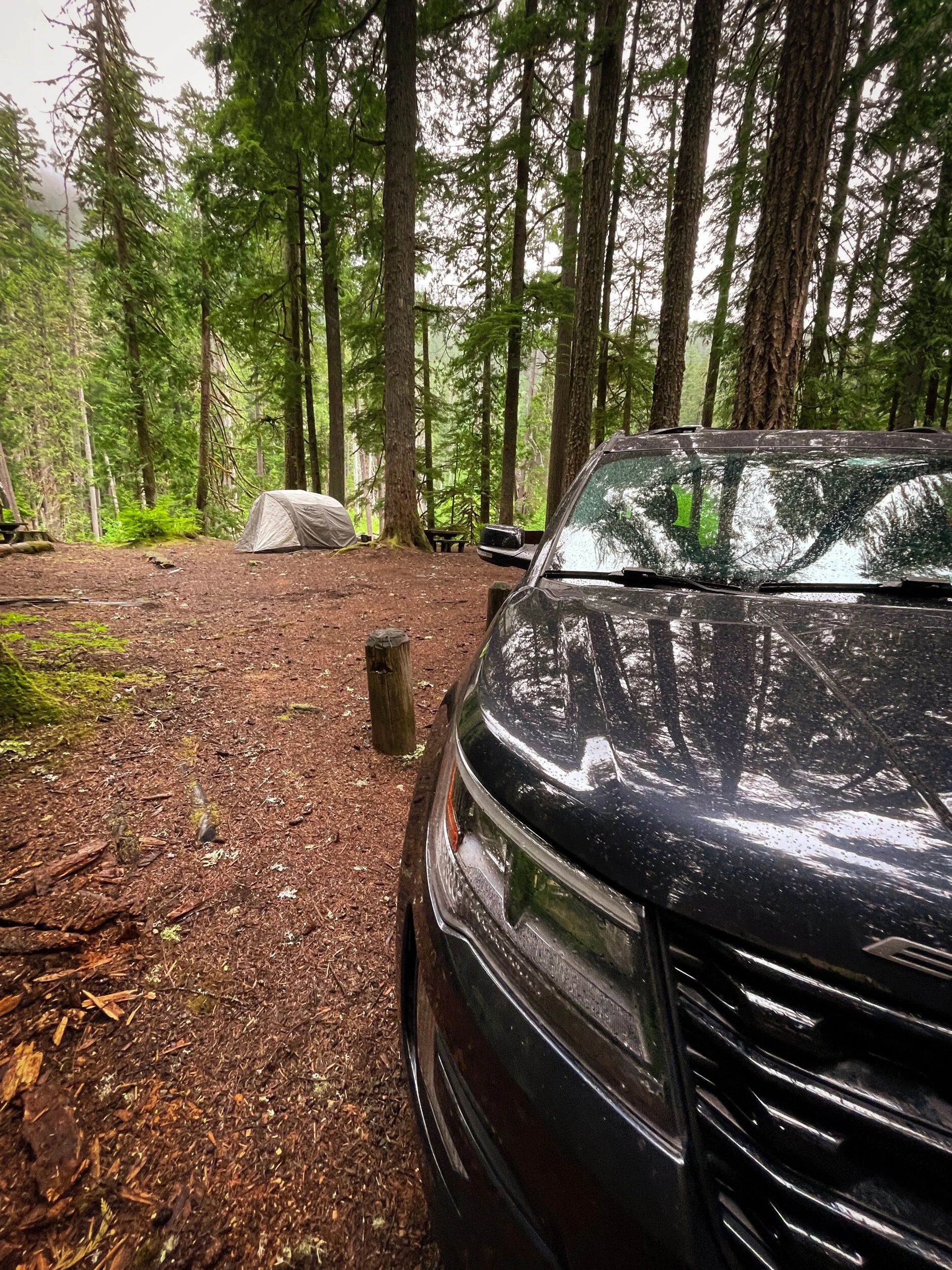
June 2021 - Camping (Ohanapecosh CG)





Remnants from the Ice Age
This drumlin field extends across US highway two past the city of Waterville. The arrangement of these flat top hills hints of the movement of glacial ice crawling over the rocks and dirt millions of years ago.
The lust for nightscape scenery
“Nocturnal (and some deep sea) animals have tapetum lucidum, a tissue layer in the back of the eye that reflects light back through the retina, doubling the amount of light available for it to capture, but reducing the sharpness of the focus of the image. We humans do not have this reflective layer in our eyes.”
Even though the moon had long gone behind the horizon we could “perceive” the objects in the foreground under starlight. The reflection of the stars danced on the minuscule waves on the lake surface, the kayak was not prominent but the red PFDs glowed in the little light that was available (long wavelength of red render it a lot more perceivable than other colors in low light) but I was determined to set up the camera to capture this unplanned photograph.
The trip was almost over we were heading back home by that time, we were on Highway 20 driving west towards civilization when I recalled stopping at this lake years ago for a cosplay photoshoot. Always wanted to come back after dark, the kayak was a bonus.
The invisible fence
We were at the top of the canyon trail looking over a bend in Rio Grande separating Mexico from the US, waiting for the sunset when a horse rider appeared on the American side of the river slowly making his way to the trailhead below us.


It turned out he was an artist from the other side who had left his creations in several spots across the border, where visitors can buy with cash, and was making rounds to collect the money. As he passed us on the trail as he came up I waved at him and said “hi” with a smile and he smiled back and waved. I wanted to have a conversation with him if he was not in a hurry although he might not even speak English. I was curious and interested to know his daily life making rounds across the invisible fence making a living by selling creative artifacts to American tourists.
An unfinished story I would love to finish someday, perhaps.
The Pacific
My limited knowledge about states of matter tells me it is improbable however, the wind from the ocean feels salty, it extracts moisture on contact. This is why I never liked the salty ocean. But wide open skies for dawn or dusk is rare to find when you live by the mountains.